
Editorial review as of October 19, 2026. Sources cited in the article were verified against their linked origin, and the figures below were re-checked on this date.
Most households address their recurring bills reactively. A bill seems high; they look at it. A renewal arrives; they react. A friend mentions a competitor; they compare. The result is occasional savings but no systematic optimization.
An annual bill audit treats every recurring household expense as a single coordinated review, performed once a year, with the same rigor applied across all categories. The result is usually larger total savings than the sum of reactive interventions, because no bill escapes attention.
The audit takes three to four hours total, ideally spread across one quiet weekend. The savings typically range from $500 to $2,500 per year for a typical household, which is meaningful annualized return on the time invested.
Schedule the audit deliberately
The annual bill audit deserves a specific time slot, not a vague intention. Schedule it for a weekend morning when you can give it your full attention. Avoid trying to do it in scattered evening sessions; the consolidated focus produces better results.
Some households time the audit to January (new year energy), some to a slow summer weekend, some to a specific anniversary date. The specific timing matters less than the consistency. Pick a date and put it on the calendar for the same date each year.
Gather everything in one place
Before the audit begins, collect:
- Twelve months of bank and credit card statements
- Most recent statement or account summary for each utility and service
- List of all recurring subscriptions
- Insurance declarations pages for all policies
- Cell phone and internet plan documents
- Notepad or document for notes
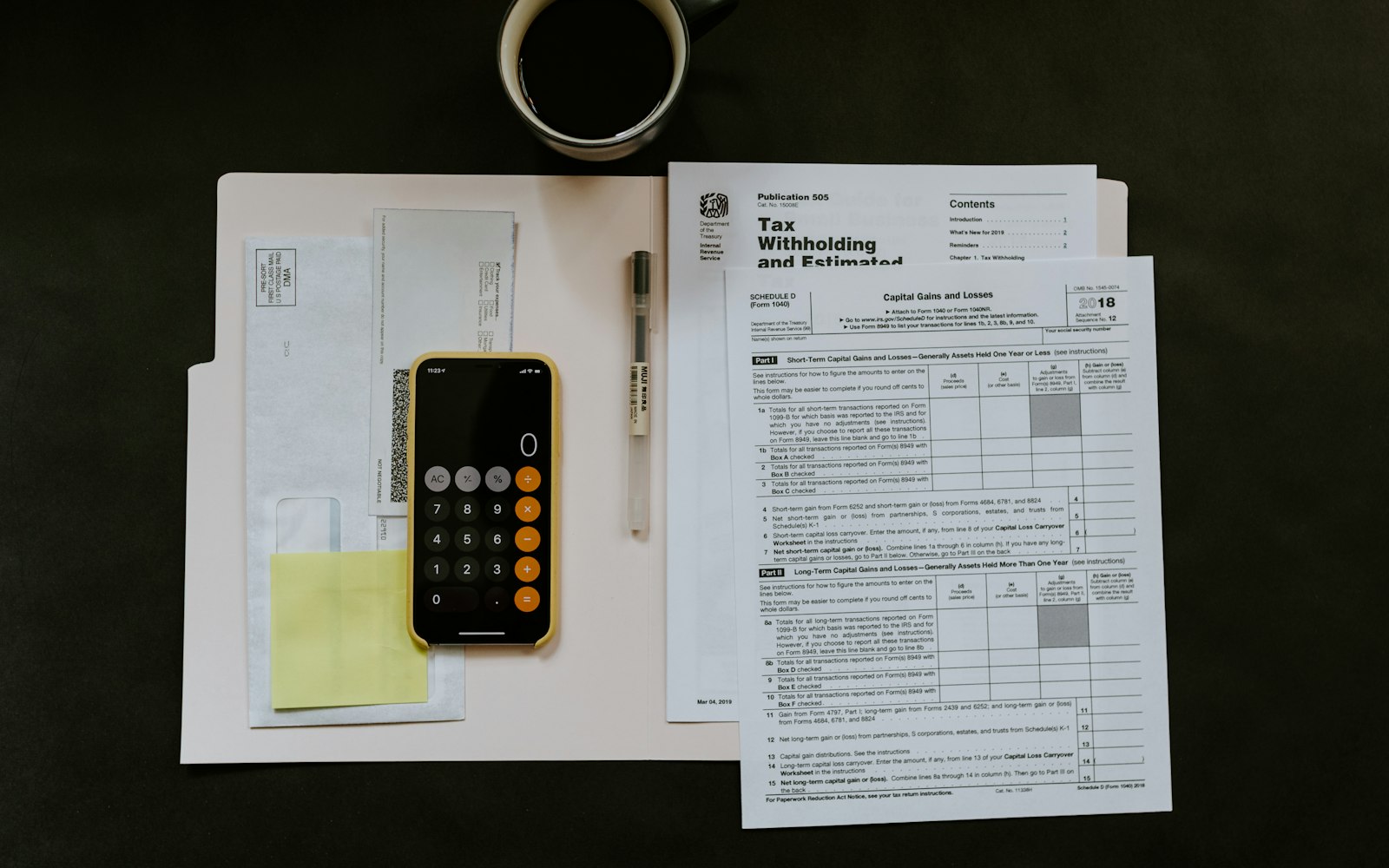
Spread these on a desk or table. Having everything visible at once makes the audit flow much more smoothly than searching for documents as you go.
Build the master list
The first hour of the audit is building the master list of every recurring expense. Categories to include:
- Housing (rent or mortgage, HOA fees, property taxes)
- Utilities (electricity, gas, water, sewer, trash)
- Communications (internet, cell phones, landline if applicable)
- Insurance (home/renters, auto, life, umbrella, pet)
- Entertainment (cable, streaming, music, audiobook, gaming)
- Software and apps (productivity, cloud storage, security, hobby apps)
- Memberships (gym, professional, warehouse, retail loyalty)
- Subscriptions (magazines, newspapers, food delivery, meal kits)
- Services (lawn care, cleaning, pest control, security monitoring)
- Childcare and education (school, tutoring, activities)
- Pet (food delivery, insurance, services)
- Financial (bank fees, credit card annual fees)
For each item, note: name, monthly cost, annual cost (monthly × 12 for monthly items, single amount for annual items), and any contract or commitment terms.
The master list is often longer than households expect. Most have 20 to 40 distinct recurring expenses across these categories.
For each item, apply the four questions
Once the master list is built, work through it systematically. For each item, ask:
- Do I still need this?
- Am I paying a fair price for this?
- Is there a cheaper or better alternative?
- Is the current tier or level appropriate for my actual use?
The first question alone usually identifies two to five items that can be canceled entirely. Subscriptions that are no longer used. Services that the household has outgrown. Memberships that have not been activated in months.
The second and third questions identify items where competitive shopping or negotiation might produce savings. These are typically the larger items: insurance, internet, cell phone, cable.
The fourth question identifies items where downgrading the tier or plan would produce savings without functional impact. This is common with streaming services (downgrading to ad-supported tiers), cell phone plans (moving from unlimited to a smaller plan), and software subscriptions (moving from premium to basic).
Take action immediately
The audit produces value only when followed by action. For each item that can be canceled, downgraded, or renegotiated, take the action during the same audit session if possible.
Some actions are quick: log in to the website and cancel a subscription. Some require phone calls: negotiating with internet or insurance providers. Some require comparison shopping that takes more time.
For quick actions, do them during the audit. For longer actions, schedule them within the next two weeks while the audit findings are fresh. Items left for “later” often do not get addressed, and the audit becomes a list of intentions rather than savings.
Document the changes
For each change you make during the audit, document:
- What was changed (canceled, downgraded, renegotiated)
- The previous cost
- The new cost
- The annualized savings
- The date of the change
Total the annualized savings at the end of the audit. The number is usually motivating and provides a benchmark for next years audit.
Schedule the calls and follow-ups
For items that require phone calls (internet negotiation, insurance shopping), schedule specific time blocks within the next two weeks. Putting these on the calendar dramatically increases the likelihood they will actually happen.
Most negotiation calls take 20 to 45 minutes. Plan accordingly and call during business hours when customer service departments are fully staffed.
Create a watchlist for next year
Some items you decide to keep at current levels, but with the understanding that the situation could change. Make a watchlist of these items, with notes about what would trigger reconsideration:
- Streaming service: review again if usage drops below twice a month
- Insurance: shop again at renewal even if no obvious change
- Cell phone: review when current promotional rate ends
- Internet: monitor for service issues or new local competition
The watchlist is the bridge between this years audit and next years. It ensures that nothing important gets forgotten between annual sessions.
The compound effect across years
Households that perform an annual bill audit consistently for several years typically see their fixed expenses grow much more slowly than households who do not. The audit catches each years price creep before it compounds. The savings from one audit may be modest in isolation but become substantial over a decade.
A household saving $1,000 per year through annual audits saves $10,000 over ten years just from this practice. The actual savings are usually higher, because the audited bills also grow more slowly than they otherwise would.
The honest summary
The annual bill audit is one of the highest-return personal finance activities available. Three to four hours of focused attention, once a year, typically produces $500 to $2,500 in annual savings, which compounds across years. The systematic coverage of every recurring expense catches what reactive interventions miss. For households that have never done a comprehensive audit, the first one often produces dramatic results.
For pairings, see our pieces on finding money leaks, internet negotiation, and insurance auditing.
Sources this article draws on
Figures and definitions on this page reference the following authoritative sources for the Utility & Bill Savings category. Where a specific number is quoted, the corresponding source is the one it was checked against.