Editorial review as of October 19, 2026. Sources cited in the article were verified against their linked origin, and the figures below were re-checked on this date.
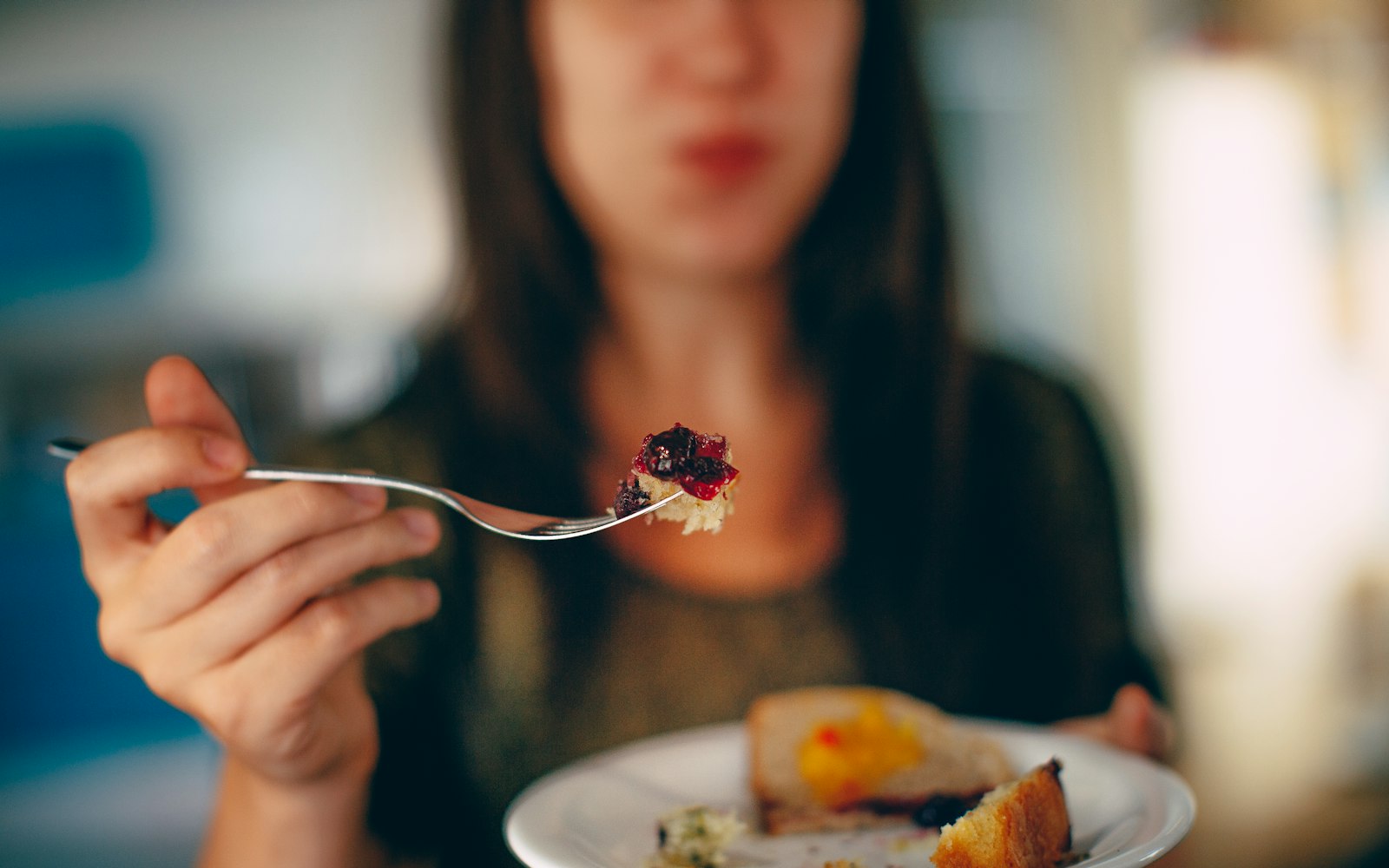
One of the quiet costs of frequent takeout and restaurant meals is that the meals themselves stop being enjoyable. When eating out is a routine fix for a tired evening, the food gets eaten without much attention, and the cost of the meal is rarely matched by the experience. The fix is not to stop eating out. The fix is to eat out less often and more deliberately, so that the meals become events again rather than habits.
Households that make this shift usually discover two things at once. They save a meaningful amount of money. And their restaurant experiences become much more enjoyable, because the meals are chosen rather than defaulted to.
The math, briefly
A household of two that eats out or orders takeout four times a week at an average cost of forty dollars per occasion spends about six hundred and forty dollars a month on restaurant food. A household of two that eats out one or two times a week, at slightly more expensive but more enjoyable restaurants averaging fifty dollars per occasion, spends two hundred to four hundred dollars a month.
The savings are between two hundred and four hundred dollars a month, which is twenty-four hundred to forty-eight hundred dollars a year. More importantly, the smaller number of restaurant meals tends to be much more satisfying than the larger number of routine ones.
Identify your restaurant patterns honestly
Before changing anything, look at the last two months of restaurant spending. Categorize each meal into one of four buckets:
- True occasions: birthdays, anniversaries, hosting friends, deliberate date nights
- Genuine pleasure: a specific restaurant you love, a meal you actively wanted to have
- Convenience defaults: too tired to cook, no plan for dinner, easier than the alternative
- Habit defaults: it is Friday so we order pizza, it is Wednesday so we get takeout
The first two categories deserve to stay. They produce real enjoyment and real memories. The third and fourth categories are usually where the savings opportunity lives. These meals are rarely memorable, often consumed while distracted, and almost always quietly resented in the moment of paying the bill.
Reduce category three by structural fixes
The convenience defaults are the easiest to reduce, because they are usually structural rather than emotional. The household is tired, has no plan, and picks the easiest path. The structural fixes are:
- One batch meal per week that handles the worst evenings
- Three to five “fifteen-minute backup meals” in the pantry: pasta with jarred sauce, eggs with toast, a frozen bag of dumplings, a quick stir-fry from frozen vegetables
- A frozen pizza in the freezer that is genuinely better than takeout pizza
- A short list of “I do not want to cook” meals that take less time than ordering and waiting for delivery
With these in place, the convenience-default takeout becomes structurally unnecessary. The fifteen-minute meal is faster than waiting for delivery, cheaper by a wide margin, and usually more nutritious.
Reduce category four by ritual replacement
The habit defaults are harder, because they are not really about food. They are about ritual. The Friday pizza is a Friday ritual that happens to involve pizza. The Wednesday takeout is a midweek ritual that happens to involve restaurant food.
The way to reduce these is not to eliminate the ritual. It is to replace the restaurant version with a home version that preserves the ritual. Friday pizza night becomes Friday homemade pizza night, with a slightly fancier homemade pizza. Wednesday takeout becomes Wednesday “easy dinner” night, with a deliberately enjoyable but quick home meal.
The ritual stays. The food changes. The cost drops dramatically, and the household experience often improves because the home version is fresher and more pleasant to eat at the table together.
Move budget from frequent to occasional
The single most powerful shift is to take half of the money saved from reducing categories three and four and add it to the occasional restaurant budget. The other half goes to actual savings.
This means the occasional restaurant meals become noticeably better. Instead of four mediocre takeouts a week, you have one or two meals at restaurants you actively love, at price points you would not have considered before. The occasional meal becomes the kind of meal you look forward to for days, talk about afterward, and remember weeks later.
This shift is what makes the reduced frequency feel like an upgrade rather than a sacrifice. The household is not eating worse. The household is eating less often and much better.
Cook for the celebration occasions
For category one occasions (birthdays, anniversaries, friends visiting), consider cooking at home more often. A nicely cooked home meal for friends is often more memorable than the same group going to a restaurant, and a small special-occasion dinner costs a fraction of the equivalent restaurant outing.
This does not have to be elaborate. A roast chicken with seasonal vegetables. A pot of risotto. A simple homemade pasta. The hosting itself, with care and attention, often produces more connection than a noisy restaurant where conversation is hard.
Households that shift even one or two celebrations a year from restaurant to home typically save several hundred dollars and report better memories of the events.
The takeout audit
Once a month, look at your delivery app history. The total dollar amount and the number of orders is usually surprising. The audit is not about guilt. It is about visibility. The order from three weeks ago that you barely remember is the kind of order that adds up across the year.
The audit usually produces one or two small changes naturally. The household notices a particular takeout place is being ordered from more often than expected. Or a particular weeknight is becoming a default that did not used to be. Each small observation is a chance to redirect.
The lasting shift
Households that go through this process usually report that their relationship with restaurants changes within two or three months. The routine takeout pattern fades. The occasional restaurant meal becomes genuinely enjoyable again. The annual restaurant spending drops by half, and the satisfaction-per-dollar of the remaining meals roughly doubles.
The shift is not about depriving yourself. It is about respecting the difference between food as fuel and food as experience. When the two are mixed, neither one is done well. When they are separated, both improve.
For pairings, see our pieces on the joy-aware budget and realistic meal prep.
Sources this article draws on
Figures and definitions on this page reference the following authoritative sources for the Grocery & Household Savings category. Where a specific number is quoted, the corresponding source is the one it was checked against.