Editorial review as of October 19, 2026. Sources cited in the article were verified against their linked origin, and the figures below were re-checked on this date.
Pantry-first cooking is a quiet, old-fashioned idea with a powerful effect on a household grocery bill. The principle is simple. Before you buy anything new, you look at what you already own and you cook from that first. The pantry, the freezer, and the fridge become your primary store, and the actual grocery store becomes your top-up.
Households that adopt pantry-first cooking, even loosely, consistently report two changes. Their grocery bill drops, often by fifteen to twenty percent. And their cooking becomes more creative, not less, because constraints are an old friend of good cooking. The framework below is the version that tends to stick.
Build a useful pantry, not a large one
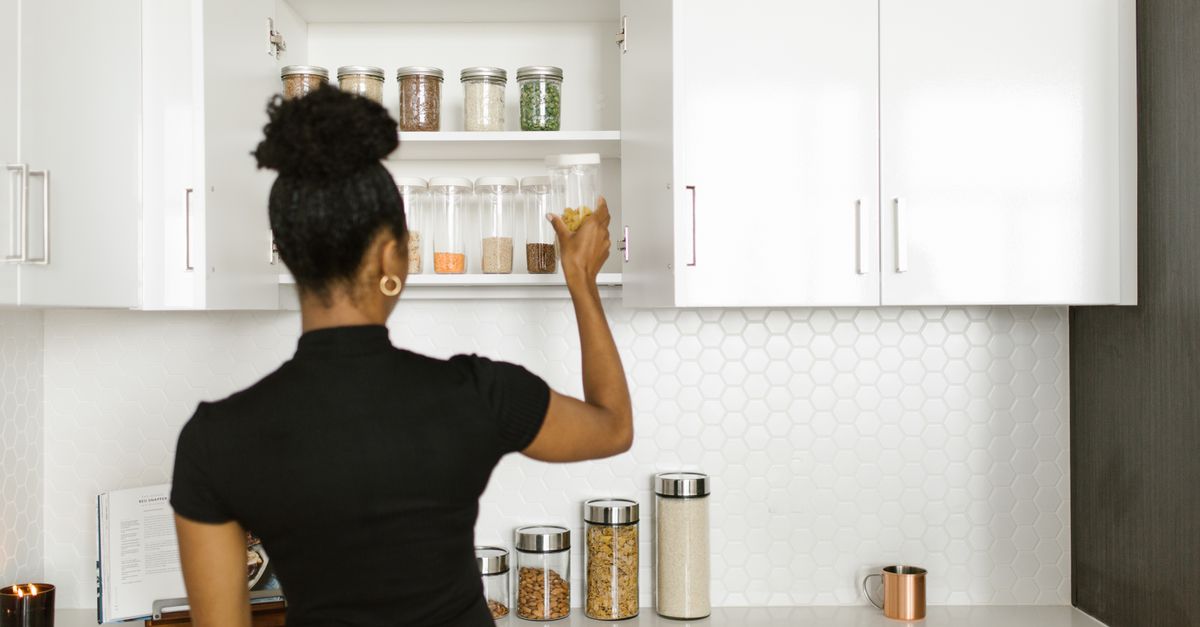
Many people think pantry-first cooking requires a vast stocked basement. It does not. A useful pantry is small, curated, and rotated. It holds the staples that turn random fridge contents into actual meals.
A starter pantry looks something like this:
- Two or three grains: rice, pasta, oats, couscous, or quinoa
- Two or three legumes: canned chickpeas, dried lentils, canned black beans
- One or two cans of tomatoes
- Olive oil and a neutral oil
- Onions, garlic, and one or two long-keeping root vegetables
- A small spice shelf: salt, pepper, cumin, paprika, dried oregano, dried thyme, red pepper flakes, and a curry powder or garam masala
- Vinegar, soy sauce, mustard
- Stock cubes or boxed stock
- Eggs and a hard cheese in the fridge
- Frozen vegetables (peas, spinach, mixed)
- One or two frozen proteins (chicken thighs, ground meat, or beans)
This pantry, combined with whatever fresh produce is in season, can produce dozens of different meals without anyone feeling deprived. It also stays small enough to actually use and rotate, which is the whole point.
Take a pantry inventory once a month
Once a month, pull everything to the front of the shelves. Check expiration dates. Use the things approaching the end. Throw away anything truly past its prime, but be honest, because most pantry items are useful long past the printed date.
The inventory is a chance to notice patterns. The can of coconut milk that has been there for six months. The bag of lentils that no one in the household actually likes. The spice bottle that was bought for one recipe and never opened again. Each of these is a small signal about what to buy and what to stop buying.
Plan meals from the pantry out
Traditional meal planning starts with a recipe and produces a grocery list. Pantry-first meal planning starts with the pantry and produces a recipe.
The process looks like this. Open the pantry. Pick one anchor (a grain, a legume, or a protein). Pick one or two supporting items (a can of tomatoes, a bag of frozen spinach). Decide what fresh element will complete the meal (an onion, a piece of seasonal produce, a small protein from the freezer). The combination almost always suggests a meal.
Pasta with garlic, oil, and frozen peas. Rice with chickpeas and tomato sauce. Lentil soup with onion and stock. A grain bowl with eggs and pickled vegetables. None of these requires a recipe. All of them come from the pantry first.
Keep one shopping list always running
Pantry-first cooking does not eliminate shopping. It reshapes it. Instead of a big weekly list, you maintain a small rolling list of items to replenish or top up, and you shop only when something falls below a threshold.
The list lives somewhere convenient: a notes app, a magnet pad on the fridge, a notebook in a drawer. When you use the last can of tomatoes, you write “tomatoes” on the list. When you finish the rice, you write “rice.” The list is what you bring to the store, plus a small bundle of fresh items for the next several days.
This approach cuts impulse buys because the list is short and targeted. It also cuts overstocking because you replace only what you use.
Use the freezer as a second pantry
The freezer is the underrated half of pantry-first cooking. A well-managed freezer holds proteins, vegetables, and finished meals that can rescue almost any weeknight.
Freeze in portions you will actually use. A whole frozen chicken breast is harder to use than two flat individual breasts. A gallon of frozen soup is harder to use than four labeled quart bags. Smaller portions in clear bags or containers make the freezer work as it should.
Label everything with name and date in permanent marker. The unlabeled freezer is where food goes to die.
Adopt a “use first” shelf
Designate one shelf in the fridge (or one bin) as the use-first shelf. Anything approaching its end goes here. The week begins with a quick glance at this shelf, and the planning starts from what is there.
This single move reduces fridge waste in most households more than any other intervention. The food that gets thrown away is almost always food that was forgotten. The use-first shelf makes forgetting much harder.
Cook in modular components
Pantry-first cooking gets easier when you cook in components rather than complete dishes. A pot of rice cooked on Monday becomes the base for three different meals across the week. A tray of roasted vegetables becomes a side, a salad topping, and a sandwich filling. A pot of beans becomes a stew tonight, a salad tomorrow, and a quesadilla on Friday.
Components are forgiving. They mix and match. They reduce the need for fresh ingredients on busy nights, because the building blocks are already done.
Allow yourself a few “luxury” pantry items
A pantry-first approach does not mean austerity. A small handful of “luxury” pantry items can transform ordinary meals into ones the household actually looks forward to. A jar of good olives. A nice mustard. A high-quality tinned fish. A bottle of fish sauce. A jar of pesto. These items punch far above their weight in flavor, and they last a long time on the shelf.
The luxury items are how pantry-first cooking avoids the feeling of restriction. The base is simple. The accents are interesting.
What changes after a month
Households who shift to pantry-first cooking usually report the same arc. The first week feels slightly awkward, because the habit of “what should we cook tonight” is being replaced with “what do we already have.” By the second week, the rhythm settles. By the fourth week, the grocery bill has noticeably dropped, fridge waste has dropped further, and the question of dinner has stopped feeling like a daily project.
The household is not eating worse. In many cases, they are eating better, because the meals come from intention rather than from whatever was easiest to grab on the way home.
For related reading, see our pieces on grocery week planning and cutting the grocery bill.
Sources this article draws on
Figures and definitions on this page reference the following authoritative sources for the Grocery & Household Savings category. Where a specific number is quoted, the corresponding source is the one it was checked against.