Editorial review as of October 19, 2026. Sources cited in the article were verified against their linked origin, and the figures below were re-checked on this date.
Households with natural gas heating, hot water, or appliances often see winter gas bills two to three times higher than summer bills. The seasonal swing is unavoidable, but the magnitude is highly responsive to small efficiency changes. Most households can reduce winter gas consumption by 15 to 30 percent through habit changes and modest efficiency investments.
The framework below focuses on the changes that produce the most consistent results across different home types and climates.
The thermostat is still doing most of the work
For gas-heated homes, the thermostat setting is the largest variable affecting the gas bill. Each degree of lower setting reduces heating-related gas use by 2 to 4 percent across the season.
Practical settings:
- 68 degrees during waking hours when you are home
- 62 to 65 degrees overnight
- 62 degrees or lower when you are away during the day
A programmable or smart thermostat handles the schedule automatically. The investment in a programmable thermostat (around $30 to $50) typically pays back in one heating season for most households.
Address drafts before adjusting habits
If your home has significant drafts, you are heating the outside air. No thermostat schedule can compensate for a poorly sealed house.
The high-impact drafts:
- Gaps around exterior doors (fix with weatherstripping and door sweeps)
- Air leaks around windows (fix with window film for the winter)
- Unsealed attic hatches (fix with weatherstripping and an insulated cover)
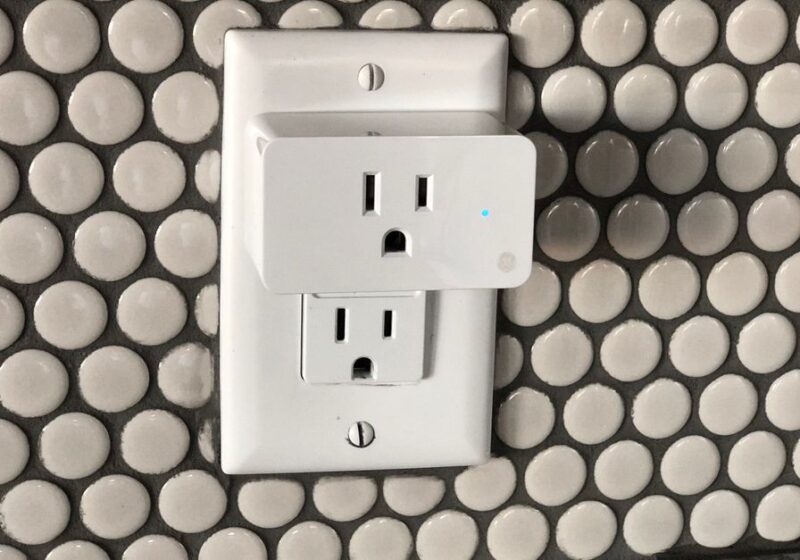
- Electrical outlets and switches on exterior walls (fix with foam outlet gaskets)
- Gaps where pipes enter walls (fix with caulk or expanding foam)
An afternoon of draft-sealing typically costs under $100 in materials and produces ongoing savings that compound across many winters. This is one of the highest-return household efficiency investments available.
Insulate, where possible
For homeowners, attic insulation is usually the highest-value insulation upgrade. Attics in older homes often have insufficient insulation, and adding insulation can reduce heating costs by 10 to 20 percent.
The cost varies based on attic size and current insulation, but a typical attic insulation upgrade is $1,000 to $3,000. Payback periods are usually three to seven years, after which the savings continue for the life of the insulation (typically 20 to 50 years).
For renters, insulation upgrades are typically not your responsibility, but you can ask the landlord. Landlords sometimes invest in insulation when tenants request it, particularly if energy bills are paid by the tenant.
The water heater contribution
Gas water heaters use significant fuel year-round, but the consumption increases somewhat in winter as incoming water is colder and the heater works harder to bring it to the setpoint.
The standard water heater savings apply:
- Lower the temperature setting to 120 degrees
- Insulate the water heater tank (if in an unheated space)
- Insulate the first six feet of hot water pipes
- Take shorter showers
- Use low-flow showerheads
- Run dishwasher and laundry on cold water settings when possible
These changes typically reduce water heater gas consumption by 15 to 30 percent year-round.
Cook efficiently
Gas stoves and ovens are relatively small contributors to the total gas bill, but a few habits can reduce their consumption.
- Match pan size to burner size (small pan on a large burner wastes heat around the edges)
- Use lids on pots to retain heat and speed cooking
- Cook multiple items in the oven during a single heating cycle
- Use small appliances (toaster oven, microwave, electric kettle) for small tasks
- Match the heat to the cooking need (medium heat is enough for most cooking)
These changes do not produce huge savings individually, but they add up over a year of cooking.
Address the heating system itself
An inefficient heating system wastes gas regardless of your habits. The main interventions:
Replace the air filter monthly during heating season. A clogged filter forces the system to work harder and can reduce efficiency by 10 to 15 percent. Air filters cost $5 to $20 each.
Have the heating system serviced annually. A professional cleaning and tune-up costs $75 to $150 and catches efficiency issues before they become expensive. For older systems (over 15 years), the annual service also identifies developing problems before they become winter emergencies.
Keep the area around the furnace clear. Stored items near a furnace block airflow and can reduce efficiency. The area within three feet of a furnace should be open.
For homes with very old furnaces (over 20 years), a furnace replacement may be worth considering. Modern high-efficiency furnaces use 15 to 30 percent less gas than older models. The replacement cost is significant ($3,000 to $7,000), but the payback period is often six to ten years through fuel savings alone.
The zone heating approach
For homes with multiple living areas, zone heating can reduce overall gas consumption. The strategy is to heat the areas you are actively using and cool the areas you are not.
For homes with multiple thermostats serving different zones, this is straightforward. Set the active zones to your normal temperature and the inactive zones 6 to 10 degrees lower.
For single-thermostat homes, you can achieve a similar effect by closing doors to unused rooms and partially closing their vents. The heating system continues to circulate warm air through the home but the unused rooms warm less, reducing the overall heating load.
Bedroom heating strategy
Bedrooms only need to be comfortable for sleep, not for general activity. Reducing bedroom temperatures to 60 to 64 degrees overnight, with adequate bedding, often improves sleep quality while reducing gas consumption.
The savings are modest but meaningful over a season. The sleep quality improvement is a separate benefit that supports the change.
Track your usage
Most utility companies provide online accounts where you can see your gas usage history. Review your usage compared to the same month last year. Track whether your efficiency changes are producing measurable results.
The tracking takes five minutes a month and provides feedback on which changes are actually working. Some changes produce big results; others produce small ones. Tracking helps you double down on the high-impact changes and reconsider the low-impact ones.
The honest summary
Winter gas bills are highly responsive to small efficiency changes. The combination of thermostat scheduling, draft sealing, water heater optimization, and basic system maintenance typically reduces winter gas costs by 20 to 30 percent. The investments are small, the disruption is minimal, and the savings repeat every winter.
For pairings, see our pieces on heating bills generally and water heating.
Sources this article draws on
Figures and definitions on this page reference the following authoritative sources for the Utility & Bill Savings category. Where a specific number is quoted, the corresponding source is the one it was checked against.