Editorial review as of October 19, 2026. Sources cited in the article were verified against their linked origin, and the figures below were re-checked on this date.
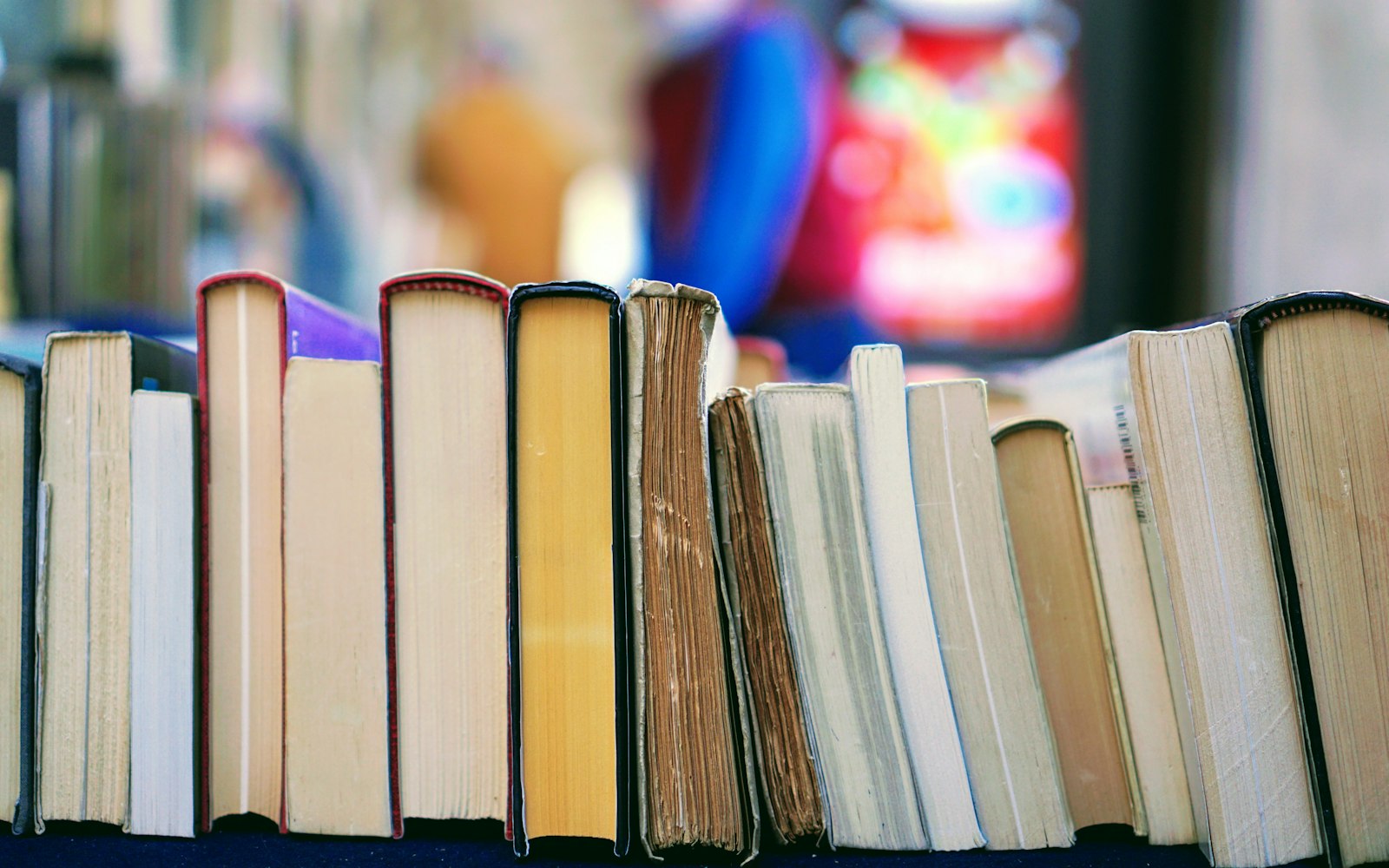
The Japanese have a word, tsundoku, for the habit of acquiring books faster than you can read them. The accumulated pile of unread books on the nightstand, the shelf, the floor. The hopeful purchases. The intentions that did not materialize. Most book-loving households have some version of this pile, and the financial cost across years can be substantial.
This is not an argument against books. Books are wonderful. The argument is against buying books you will not actually read, when libraries exist, used bookstores exist, and the unread books you already own are still waiting. A few small habits can shift book consumption toward reading rather than acquiring.
The honest book audit
Start with a clear look at your existing book collection. For each book, sort into:
- Read and want to keep (favorites worth rereading or referencing)
- Read and ready to release (good books, but you have read them)
- Unread and genuinely intend to read soon
- Unread and probably will not read
The “probably will not read” pile is usually larger than expected. These books seemed interesting at purchase but have sat unread for months or years. The chances of reading them are now low.
These books can be donated to libraries, sold to used bookstores, given to friends, or listed on book swap services. The release creates physical space and psychological space, both of which support more focused reading of what remains.
The “currently reading” rule
A useful habit is the “currently reading” rule: at any time, you have a small number of books you are actively reading (one to three, depending on your reading style), plus a small queue of books waiting next.
Beyond the current and queue, you do not need more books in the house. The shelves can hold reference books, favorites, and items in the queue, but the queue should not extend to dozens of books waiting indefinitely.
This rule prevents the accumulation that makes reading feel like an obligation rather than a pleasure. When the queue is small, each book in the queue gets actual attention. When the queue is enormous, individual books fade into the background.
Use the library actively
Libraries are one of the most underused resources in modern life. A library card is free. The collection is enormous. The selection is usually as current as bookstores. Many libraries now offer digital lending of ebooks and audiobooks through services like Libby and Hoopla.
For most households, the library can become the primary source of reading material, with purchased books reserved for specific cases:
- Books you have read and want to revisit
- Reference books you will use repeatedly
- Books that the library does not have
- Specific gifts
- Books to support specific authors you want to support
Beyond these cases, library borrowing covers most reading needs at zero cost.
The library hold system
Most libraries allow you to place holds on books you want to read. When a book becomes available, you are notified to pick it up. This creates a natural queue that paces your reading without requiring purchases.
The hold system also acts as a filter for the buying impulse. Instead of buying a book that interests you, place a hold. By the time the book arrives at the library, you can read it and decide whether it was worth your time. The book that you “had to have” often turns out to be only mildly interesting.
For popular new releases, the hold list can be long (weeks or months). This is actually useful. Many books that seem urgently desired at release become much less urgent by the time they arrive on hold.
Used bookstores and book swap services
For books you genuinely want to own, used bookstores typically offer copies at 30 to 70 percent off the new price. Online used book services (AbeBooks, ThriftBooks, BetterWorldBooks) extend the selection to nearly any book in print.
Book swap services (PaperBackSwap, BookMooch) let you exchange your read books for books you want, often for the cost of shipping alone. For households with regular reading habits and willingness to participate, the swap services can supply most reading material at very low cost.
Library book sales, often held two to four times per year, sell discarded library books for $0.50 to $3.00 each. Many serious readers acquire most of their personal collections through these sales over the years.
The wait-and-see rule
For new release books that you want to read but are not sure you want to own, the wait-and-see rule helps. Add the book to your library hold list. Wait for it to arrive. Read it. Then decide whether it deserves a permanent place in your collection.
Most books, even good ones, do not need to be owned. They were a pleasant read, and the library copy was sufficient. The few books that you genuinely want to own and revisit are the ones worth buying. The waiting period reveals which books fall into each category.
Digital alternatives
For some reading, digital formats reduce both cost and physical accumulation. Ebooks borrowed from the library through Libby are free. Audiobooks borrowed through Libby or Hoopla are free. Subscription services (Audible, Spotify, Apple Music) provide audiobook access at fixed monthly costs.
Digital books do not produce physical clutter, which removes one of the consequences of overaccumulation. They also do not need to be donated when finished, simplifying the disposal step.
For some readers, the digital experience is genuinely different and worse than physical books. For others, it is equivalent or even preferred. The choice is personal, but it is worth experimenting with to see which formats work for which kinds of reading.
The “one in, one out” rule for permanent collection
For your permanent book collection (the books you have read and want to keep), apply a one-in-one-out rule. For each new book you add to permanent collection, one book leaves.
This keeps the collection stable in size while allowing for evolution. As your tastes change, new favorites can join while less-loved books move on. The shelves stay manageable rather than growing indefinitely.
This rule does not apply to books in the “currently reading” or queue categories, which are temporary by definition. It applies only to the permanent collection that you intend to keep long-term.
The book club consideration
For households with multiple book lovers, a small book lending system among friends can extend everyones reading without anyone owning more books. Each person buys or borrows the books they specifically want, then circulates them among friends.
This works well for friend groups with similar reading interests. The cumulative reading material available to everyone is dramatically higher than any single person could maintain, and the social discussions about books are often more rewarding than solo reading.
The honest summary
Most book buying habits can be reduced by using libraries actively, applying wait-and-see rules to new releases, embracing used and swap sources for owned books, and maintaining a one-in-one-out rule for the permanent collection. The result is a smaller, more focused personal library that gets read rather than collected, plus substantial savings across years. The reading itself usually improves, because the books in front of you are the ones you actually intended to read.
For pairings, see our pieces on decluttering and minimalist spending.
Sources this article draws on
Figures and definitions on this page reference the following authoritative sources for the Minimalist Spending category. Where a specific number is quoted, the corresponding source is the one it was checked against.