Editorial review as of October 19, 2026. Sources cited in the article were verified against their linked origin, and the figures below were re-checked on this date.
Trash and recycling service is one of the most ignored bills in a typical household. The amount is usually small relative to other utilities, the service feels essentially fixed, and the company collecting your trash rarely advertises pricing options. As a result, many households pay 30 to 50 percent more than they need to for service that is more than they actually require.
A small audit of your trash service can produce modest but real ongoing savings, with the additional benefit of often reducing the amount of waste your household generates.
Check what service tier you are on
Most residential trash haulers offer multiple service tiers based on container size and pickup frequency. The default tier when you signed up was probably the largest container with weekly pickup, which is the most expensive option.
Common tiers include:
- 96-gallon container, weekly pickup (the typical default)
- 64-gallon container, weekly pickup
- 32-gallon container, weekly pickup
- Various options for biweekly or monthly pickup
- Pay-as-you-throw or per-bag pricing in some areas
If your container is rarely full on collection day, you are paying for capacity you do not use. Switching to a smaller container or less frequent pickup often saves $5 to $20 per month.
The smaller container experiment
For households unsure whether they could use a smaller container, the simplest test is to mark a line on your current container at the size you are considering. For the next month, try to keep waste below that line each week. If you succeed consistently, the smaller container is appropriate.
Most households who do this experiment discover that they comfortably fit in a smaller container. The reasons are usually a combination of overestimating their actual waste volume and finding small ways to reduce waste once it is being measured.
Recycling vs trash pricing
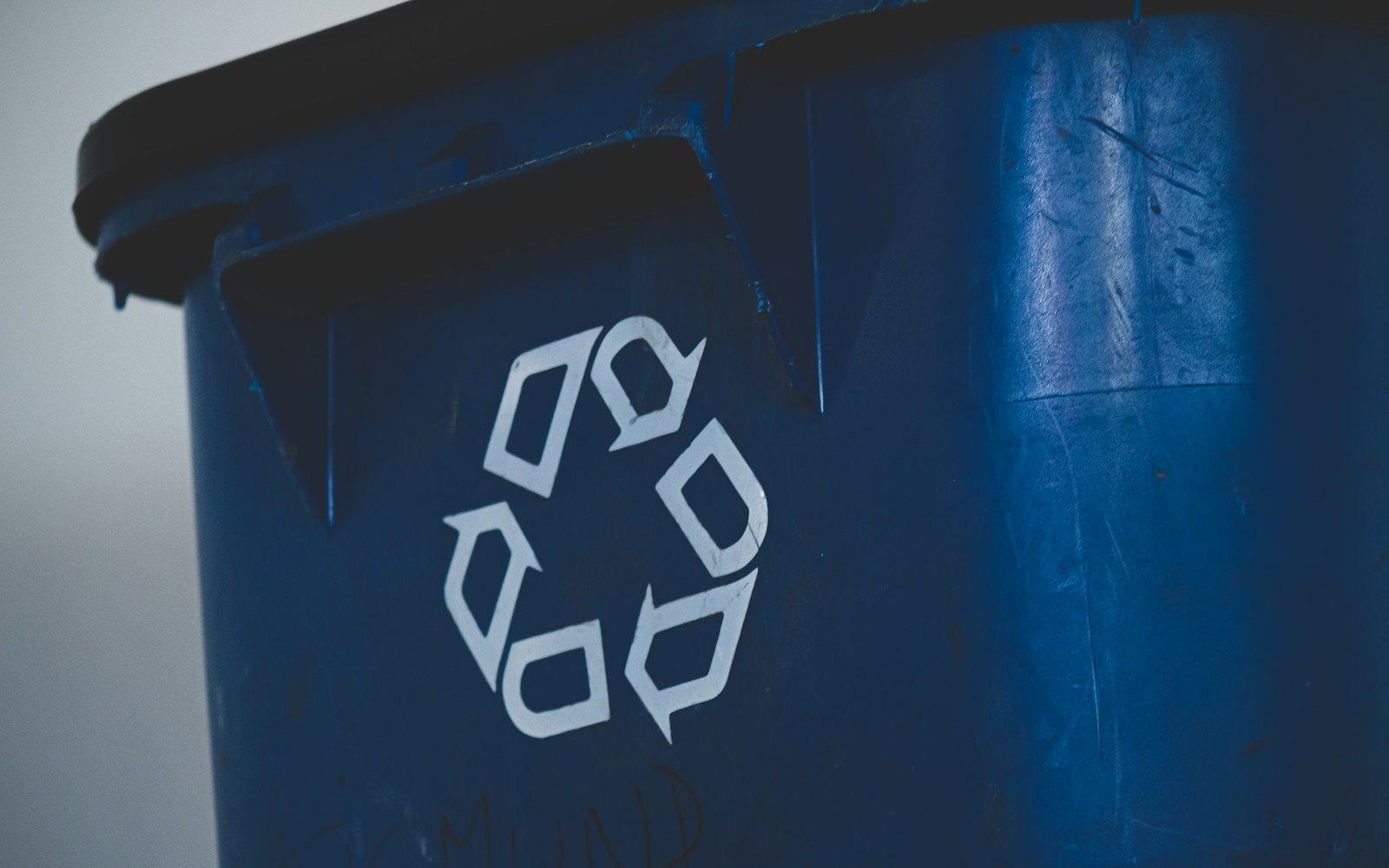
In many areas, recycling service costs less than trash service, or is free with trash service. Maximizing what goes into recycling reduces what counts as trash and can support smaller container choices.
The recycling rules vary by region, but most accept:
- Cardboard (broken down flat)
- Paper and newspapers
- Aluminum cans
- Steel cans
- Glass bottles and jars
- Most plastic containers (check the local guidelines for which numbers)
Familiarizing yourself with what is recyclable in your area, and using the recycling bin actively, often reduces trash volume by 30 to 50 percent.
Composting as the third stream
For households with yard space, composting food scraps and yard waste reduces trash volume further. Composting removes the heaviest, smelliest, and most volume-generating items from the trash stream. A household that composts can often manage with a much smaller trash container.
The composting setup can be a simple bin in the yard, a tumbler, or a more elaborate system depending on preferences. The minimum investment is under $50 for a basic bin. The savings come from the reduced trash service, the reduced fertilizer needs in the garden, and the small environmental benefit.
For apartment dwellers, some cities offer municipal composting programs or community drop-off sites. The reduction in trash volume is similar even without a backyard setup.
The pickup frequency question
Some areas allow biweekly pickup, which is dramatically cheaper than weekly pickup. The trade-off is more time between pickups for trash to accumulate and smell.
Biweekly pickup works well for households that:
- Generate relatively small amounts of trash
- Recycle and compost actively
- Have enough container capacity for two weeks
- Can store the container in a garage or other smell-controlled location
It does not work as well for households with infants in diapers, large pets, or high meal preparation volume. For applicable households, the savings can be 30 to 40 percent on trash service costs.
Pay-as-you-throw programs
Some municipalities use pay-as-you-throw pricing, where you buy specific bags or tags for each unit of trash. The pricing rewards waste reduction and recycling.
If you are in a pay-as-you-throw area and have not actively optimized for it, you can save money by:
- Using every bag completely before setting it out
- Compressing trash when possible
- Moving recyclable and compostable items out of the trash stream
- Reducing food packaging and disposable items
These changes typically reduce per-month trash costs by 20 to 40 percent in pay-as-you-throw areas.
Shop competitors if available
In areas with multiple trash hauling options, comparison shopping can produce savings. Some areas have only one option (a single contracted hauler), in which case the comparison does not apply.
If you have multiple options, get quotes from each for equivalent service. Mention that you are comparing options. Some haulers will offer introductory pricing for new customers, or discounts to retain you if you are currently a customer.
The savings from switching can be 15 to 30 percent in markets with real competition.
The “junk mail and packaging” reduction
A surprising amount of household trash comes from junk mail, catalogs, and shipping packaging. Reducing these at the source reduces trash volume.
For junk mail:
- Register with DMAchoice.org or similar services to opt out of much junk mail
- Cancel catalogs you no longer want through catalog choice or directly with the senders
- Unsubscribe from credit card offers through optoutprescreen.com
For shipping packaging:
- Consolidate online orders when possible
- Break down boxes immediately and recycle
- Reuse boxes for storage or return shipments
These reductions are modest individually but produce a noticeable reduction in trash volume across a month.
The honest summary
Trash service is not a large bill, but it is one most households can reduce with minimal effort. Right-sizing the container, choosing the right pickup frequency, maximizing recycling, and reducing waste at the source can together cut trash costs by 30 to 50 percent. The savings are modest in any single month and meaningful across a year.
For pairings, see our pieces on food waste reduction and minimalist spending.
A brief note on hazardous waste
Some household waste cannot go in regular trash or recycling. Batteries, paint, electronics, household chemicals, and similar items have their own disposal channels. Most municipalities offer free or low-cost hazardous waste collection events a few times a year.
Keeping a small box in the garage or utility area for these items prevents them from going into regular trash and ensures they get properly disposed when the collection event happens. This is not a major cost saving, but it is a small responsibility that supports the broader waste reduction approach.
The yard waste category
For households with yards, yard waste can be a significant portion of total household waste in growing seasons. Many municipalities offer separate yard waste collection at lower cost than regular trash, or free composting drop-off sites for yard waste.
For households with gardens, much of the yard waste can be composted on-site, eliminating the need for any external disposal. The composted material then becomes free soil amendment for the garden, closing a small loop that benefits both the budget and the garden.
Sources this article draws on
Figures and definitions on this page reference the following authoritative sources for the Utility & Bill Savings category. Where a specific number is quoted, the corresponding source is the one it was checked against.